Fast Riding Uses More Energy
Higher speeds can increase energy use. The desert highway may be wide open, but the battery still notices the wind.

The silent steed can cross the desert. But a smart cowboy checks range, chargers, weather, speed, terrain, and the backup plan before riding past the last water tower.
In the EV Cowboy universe, the fastest way to create a manga panic episode is to point the electric steed toward the horizon without checking the charging trail. Confidence is good. Guessing is not a travel plan.
EV road trips are not impossible. They are different. The old gasoline cowboy looked for fuel stations. The EV Cowboy looks for charging stops, charging speed, connector compatibility, station reliability, parking access, time needed, and alternate stops if the first plan fails.
The road trip becomes smoother when the driver treats charging as part of the route instead of an emergency at the end. A good plan knows how far the vehicle can go, how much energy the next leg requires, and how much reserve should remain.
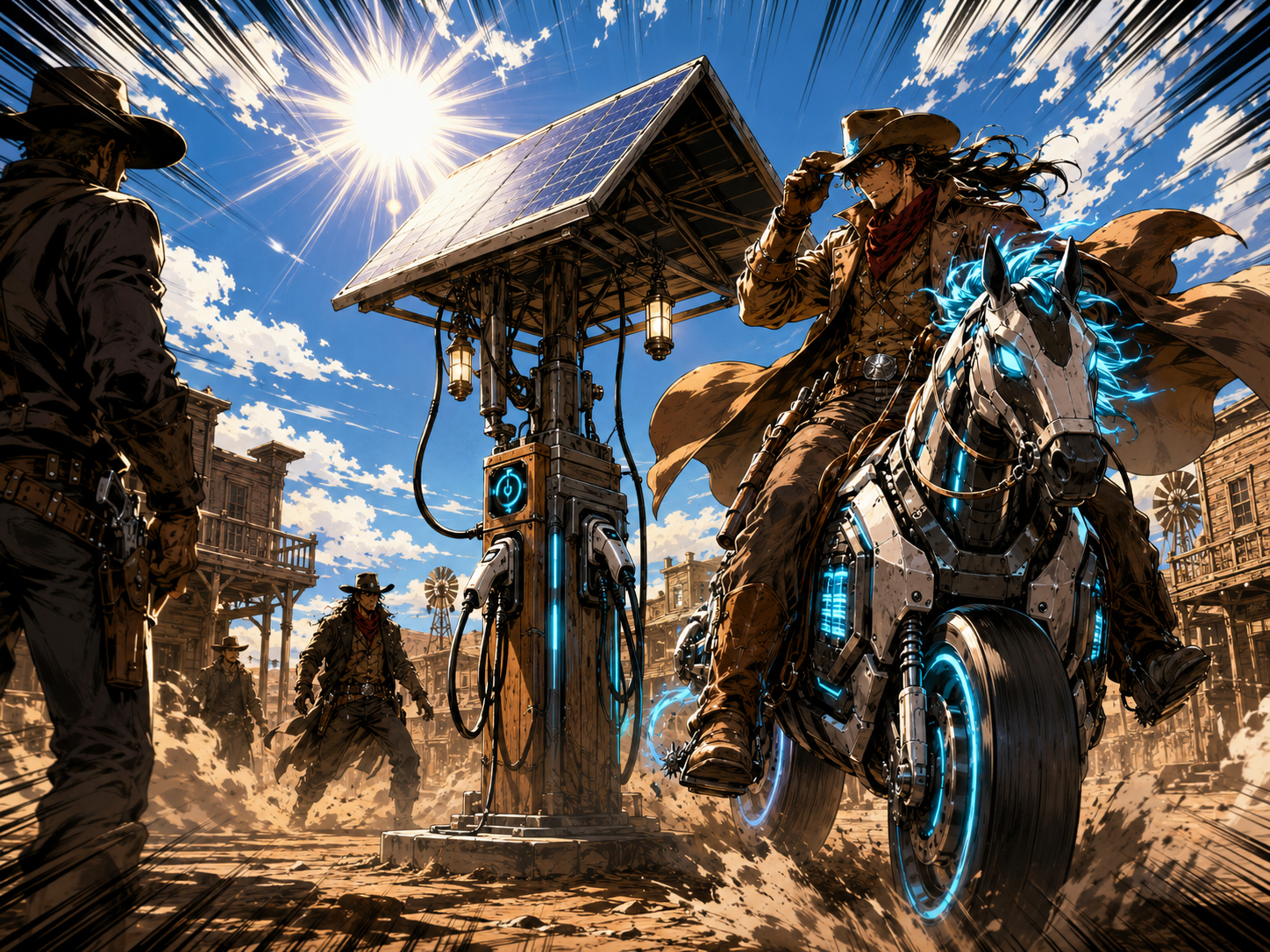
Range is not a fixed cowboy prophecy. Real driving conditions can move the number.
Higher speeds can increase energy use. The desert highway may be wide open, but the battery still notices the wind.
Climbing, mountain passes, rough roads, and heavy grades can affect energy use. Downhill recovery helps, but it is not magic.
Climate control, cold batteries, hot cabins, headwinds, rain, and extreme weather can all affect the ride.
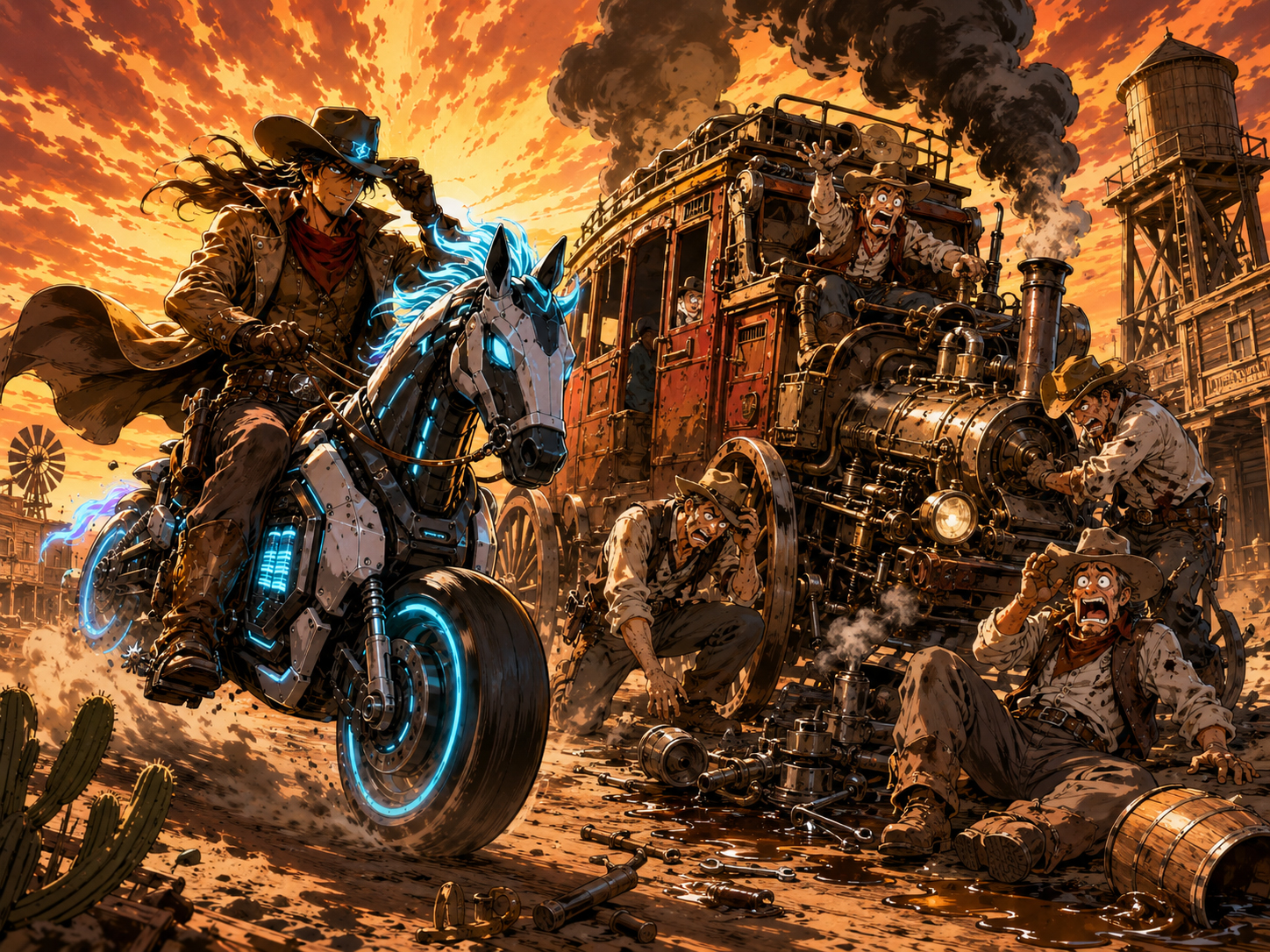
A gasoline road trip is built around fuel stations. An EV road trip may include home charging before departure, public charging along the way, hotel charging overnight, workplace charging, destination charging, and planned rest stops.
That can be wonderful when the stops line up with meals, breaks, meetings, sleep, or sightseeing. It can be frustrating when the driver assumes every charger is open, working, available, fast, and compatible.
Sheriff Kilowatt does not let the posse ride without checking the practical details.
| Road Trip Question | Why It Matters | EV Cowboy Move |
|---|---|---|
| What is the first leg? | The first stop sets the tone for the whole ride. | Leave with enough charge and reserve to reach the first charger comfortably. |
| Is the charger compatible? | Not every charger works with every vehicle without the right connector or adapter. | Confirm plug type, vehicle requirements, and any needed app or payment method. |
| How fast is the charger? | Charging speed affects stop time. | Plan stops around charger power, vehicle acceptance rate, and battery state of charge. |
| Is there a backup charger? | Stations can be busy, broken, blocked, or slower than expected. | Know the alternate stop before you need it. |
| What happens at the destination? | A good arrival charge can make the return trip easy. | Look for hotel, workplace, public, or destination charging ahead of time. |
| Are you towing or hauling? | Heavy loads can increase energy use. | Use conservative range planning and more frequent charging stops. |
A calm EV road trip usually avoids arriving at chargers with panic-level battery. Charging networks are improving, but a smart rider still keeps margin.
It can be better to stop earlier at a reliable charger than to gamble on a distant charger with no backup. The best stop is not always the closest stop. It is the one that supports the route, the vehicle, the driver, and the reserve.
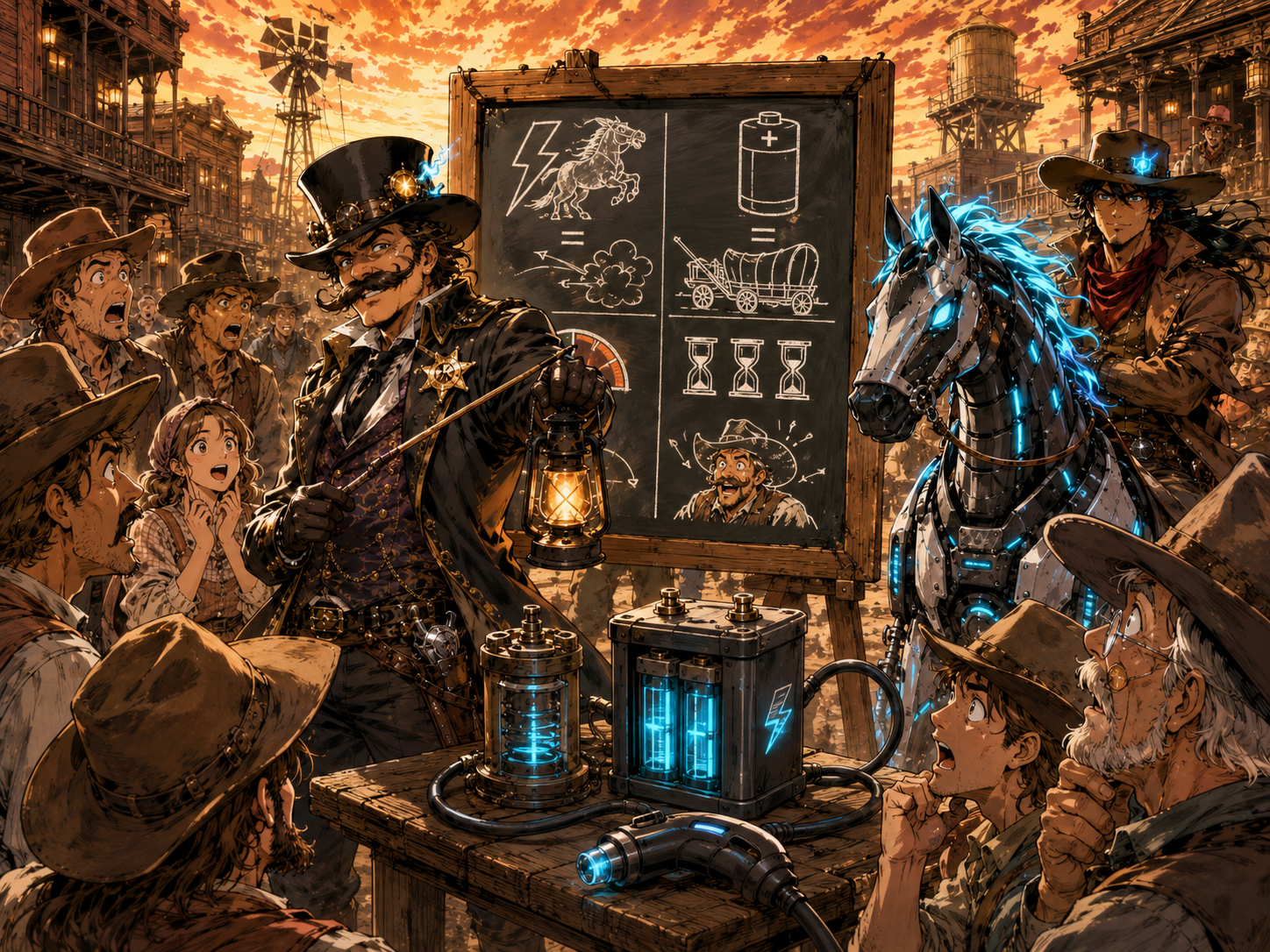
A road-trip charging stop works best when it lines up with something useful.
The best saloon is the one near a working charger, a clean restroom, and coffee strong enough to restart a stagecoach.
A charging break can become a safety break, especially on long drives where fatigue matters.
Hotel or destination charging can turn parked time into range for the next morning.
Grocery stores, workplaces, public lots, and destinations can add useful energy during time the vehicle is already stopped.
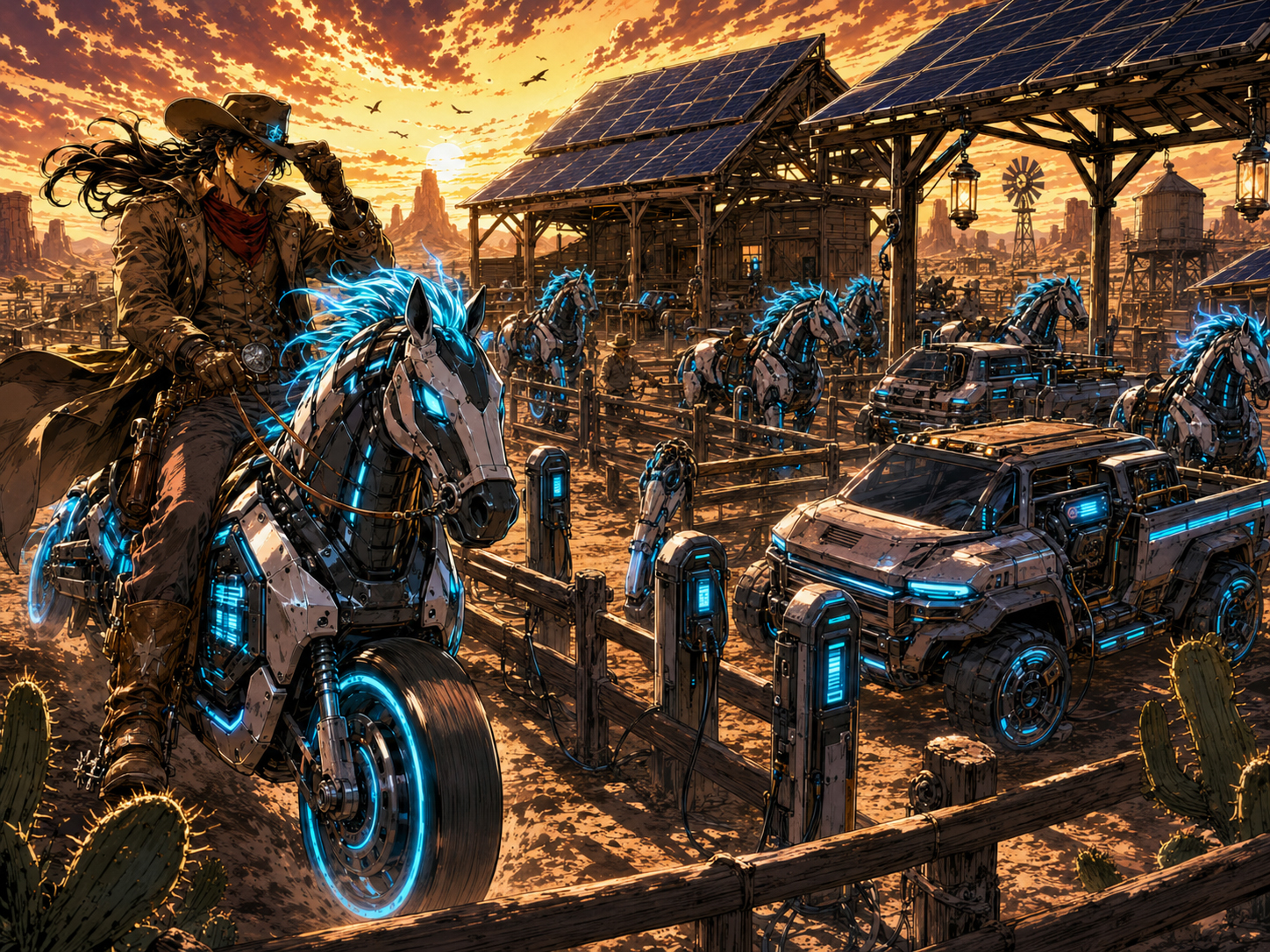
The EV Cowboy dream is not just public chargers along highways. It is also homes, shops, ranches, parking lots, hotels, schools, churches, and businesses becoming useful charging destinations.
Solar canopies can shade vehicles and make electricity. Batteries can help shift energy into better times. Managed charging can serve multiple vehicles without turning the electrical service into a saloon brawl.
EV Cowboy comedy usually begins where planning ends.
Chargers may be occupied, blocked, out of service, slower than expected, or in a difficult location. Always know the backup.
Confirm that the vehicle, charger, adapter, network, and payment method are ready before the stop becomes urgent.
Heat, cold, wind, rain, speed, terrain, and towing can all affect energy use. Leave margin.
Depending on the vehicle and charger, charging speed may slow at higher battery levels. Sometimes shorter, smarter stops are better.
The trip does not end when you arrive. You may need energy for local driving and the return leg.
EV road trips reward different habits: start full, charge during useful stops, and plan around parked time.
The cheapest and calmest charge may happen before the trip begins. Home charging lets the cowboy leave the ranch with a full canteen.
But even at home, timing matters. A rate schedule may reward charging late at night or punish heavy loads at sunset. Solar and batteries can change the strategy, especially when the vehicle is parked during solar hours or when stored energy can help later.

EV Cowboy points toward the canyon road. Madame Gasoline predicts disaster. The Utility Baron sells a paper map from 1974. Sheriff Kilowatt quietly checks the charging route.
The first charger works. The second charger is blocked by a horse trailer. The backup charger saves the day. Battery Belle appears at a solar saloon halfway through the ride with cold root beer, clean restrooms, and a charging post that actually works.
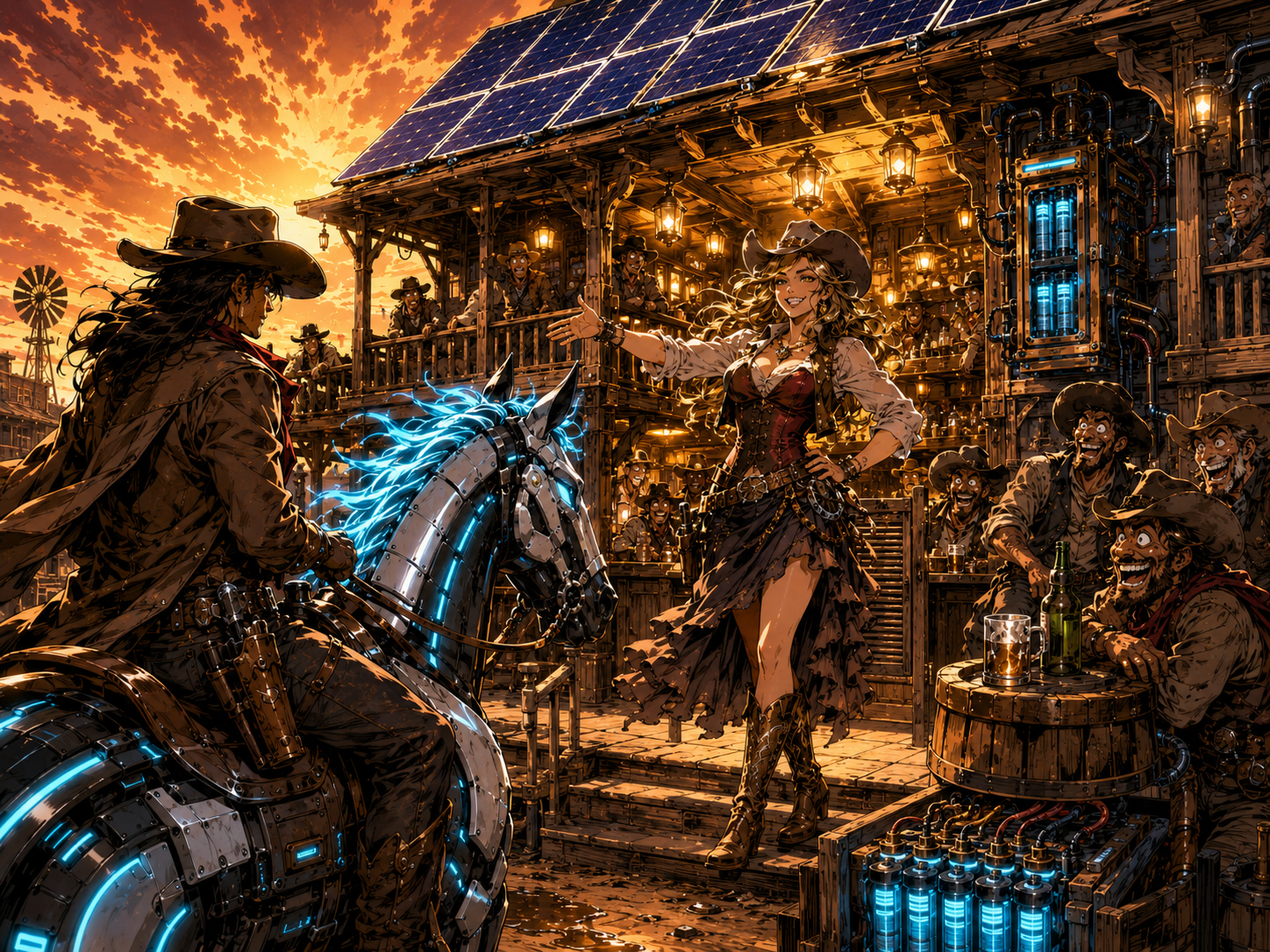
The best road-trip feeling is not reaching the charger with panic. It is arriving with options. Enough battery to choose another charger. Enough time to wait if needed. Enough planning to laugh when the first stop is busy.
The silent steed is powerful, but the rider’s habits decide whether the trip feels smooth or ridiculous.
EV Cowboy is a manga comedy and educational site. It is not a route guarantee, charger-availability guarantee, vehicle recommendation, travel instruction, electrical design, or substitute for professional guidance.
Always verify charger availability, access, compatibility, payment requirements, route conditions, vehicle range, weather, towing impact, and backup options before relying on a charging stop. EV chargers, solar systems, batteries, service upgrades, and backup-power systems must be designed, permitted, installed, inspected, and operated according to applicable codes, manufacturer instructions, utility requirements, rate schedules, and local authority rules.
The long trail teaches respect. Now Sheriff Kilowatt wants everyone to remember that EV chargers, batteries, and high-power equipment are real systems, not cartoon props.